Author: admin

  • End-of-Lease Cleaning Checklist for Brisbane Renters

    End-of-Lease Cleaning Checklist for Brisbane Renters

    SEO Title: End-of-Lease Cleaning Checklist for Brisbane Renters

    Focus Keyword: end-of-lease cleaning checklist Brisbane

    Secondary Keywords: bond cleaning Brisbane, rental property cleaning, end-of-lease cleaning tips

    Meta Description: Use this end-of-lease cleaning checklist for Brisbane rentals to organise your cleaning tasks before your final property inspection.

    URL Slug: /end-of-lease-cleaning-checklist-brisbane/

    End-of-Lease Cleaning Checklist for Brisbane Renters

    Moving out of a rental property involves more than packing boxes. You may also need to clean the property and prepare it for a final inspection.

    This end-of-lease cleaning checklist for Brisbane renters can help you organise the main areas that may require attention before handing back your keys.

    Your exact obligations depend on your tenancy agreement, the property’s condition, applicable Queensland requirements and any relevant entry or exit condition reports.

    Why Is End-of-Lease Cleaning Important?

    A property inspection may involve checking the cleanliness and condition of rooms, fixtures and appliances.

    Preparing in advance helps you identify tasks that need attention, manage your time and compare the property’s condition with the relevant records.

    Do not assume every rental property requires identical cleaning tasks. Check your agreement and confirm any specific requirements with the property manager.

    1. Clean the Kitchen

    The kitchen often requires detailed attention during a move-out clean.

    Check the following areas:

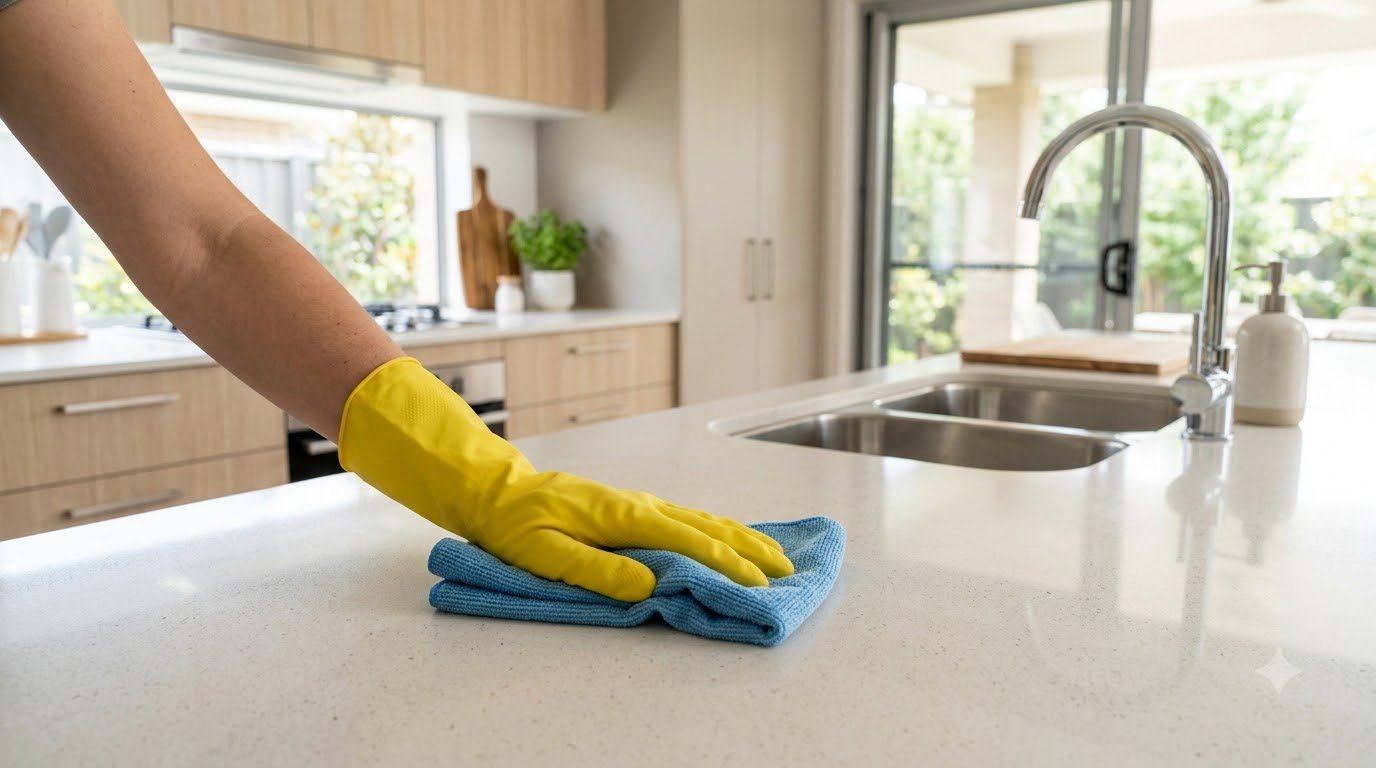
    • Countertops and splashbacks.
    • Sink and taps.
    • Cupboard fronts and handles.
    • Stovetop and accessible appliance surfaces.
    • Oven interior, if required by the applicable agreement or service scope.
    • Floor and skirting boards.

    Confirm which appliance interiors are included if you hire a cleaning service.

    2. Clean Bathrooms and Toilets

    Check mirrors, sinks, taps, toilets, shower screens and accessible bathroom surfaces.

    Remove visible soap residue using appropriate products. Clean floors and pay attention to areas where dirt can collect.

    Use products suitable for the surface materials and avoid mixing chemicals.

    3. Clean Bedrooms and Living Areas

    Remove personal belongings before completing the final clean.

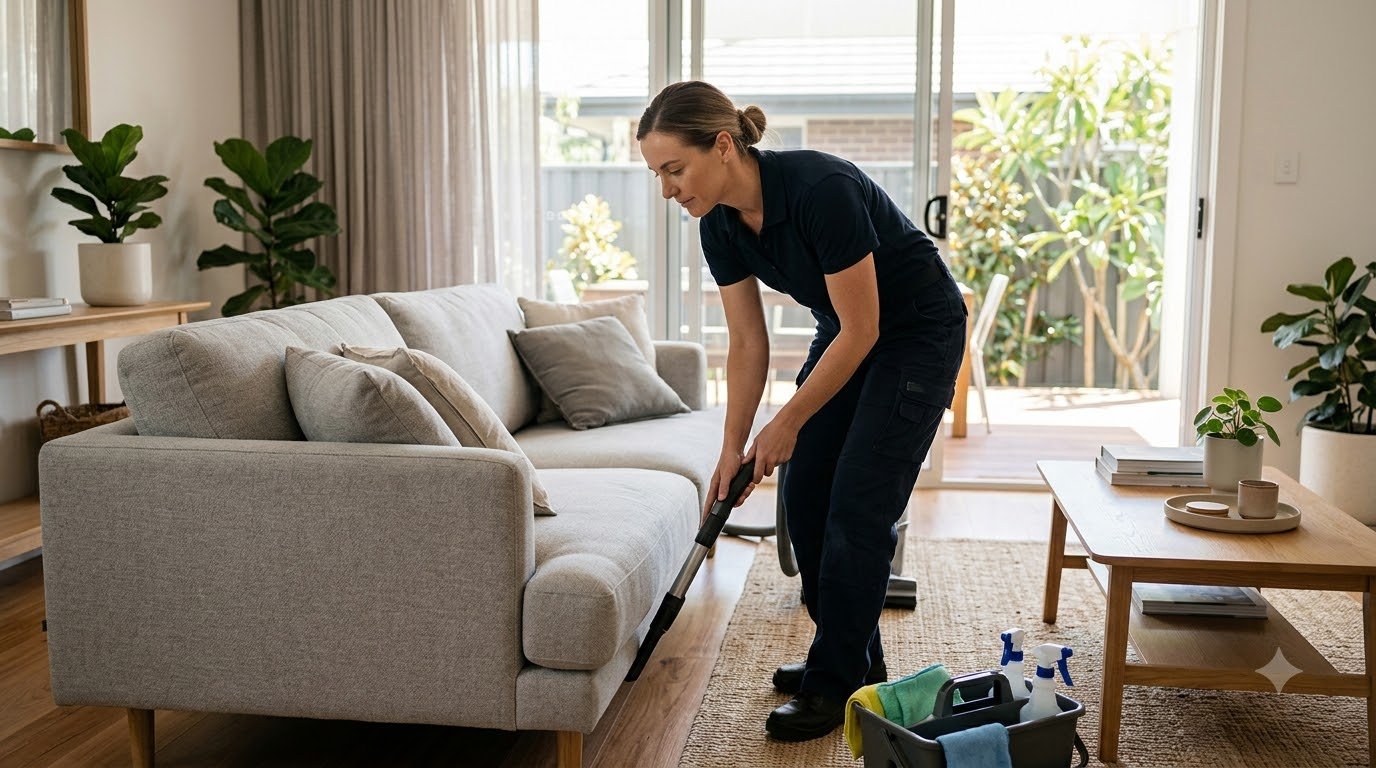
    Dust accessible surfaces, wipe marks where appropriate, vacuum carpets and clean suitable hard floors. Check corners, door handles, light switches and skirting boards.

    Only use cleaning methods appropriate for the wall paint, flooring and other finishes.

    4. Check Windows and Tracks

    Clean accessible glass and window tracks where required. Take care around glass and do not attempt unsafe work at heights.

    Confirm whether external windows, screens or difficult-to-access areas are included in your tenancy requirements or cleaning booking.

    5. Vacuum Carpets

    Remove loose dirt and vacuum carpets thoroughly.

    If carpet steam cleaning is required under your circumstances, confirm the applicable requirements and arrange a suitable service. Do not assume professional steam cleaning is automatically mandatory for every tenancy.

    6. Empty Rubbish and Remove Belongings

    Remove personal belongings, dispose of rubbish appropriately and check cupboards, drawers and storage spaces.

    Leave the property in accordance with your tenancy obligations and the instructions provided for the final inspection.

    End-of-Lease Cleaning Checklist

    • Kitchen surfaces and cupboards checked.

    • Required oven and appliance cleaning completed.

    • Bathroom and toilet cleaned.

    • Bedrooms and living areas cleaned.

    • Accessible windows and tracks checked.

    • Carpets vacuumed and any required treatment arranged.

    • Floors cleaned appropriately.

    • Rubbish and personal belongings removed.

    • Cleaning requirements reviewed against tenancy documents.

    • Final inspection arrangements confirmed.

    Should You Hire a Professional Bond Cleaner in Brisbane?

    A professional cleaning service may be useful when you have limited time or the property needs detailed cleaning before inspection.

    Before booking, request a written list of included tasks, ask about any exclusions and confirm whether the service matches the requirements relevant to your tenancy.

    You can also compare professional cleaning with doing the work yourself, based on your available time, budget and the property’s condition.

    Frequently Asked Questions

    What is included in end-of-lease cleaning?

    It can include kitchen, bathroom, bedroom and living-area cleaning, along with other tasks specified by the agreement or service provider. Confirm the exact scope before booking.

    Is professional bond cleaning always compulsory in Brisbane?

    Do not assume it is compulsory for every rental. Check your tenancy agreement and current Queensland tenancy guidance for the requirements applicable to your circumstances.

    When should I arrange end-of-lease cleaning?

    Plan it after removing most belongings and before the final inspection, leaving enough time to address any overlooked tasks.

    Conclusion

    A clear end-of-lease cleaning checklist helps you prepare for moving day and organise the work required before a final inspection.

    Review your tenancy documents, pay attention to the condition report and confirm any specific cleaning requirements before arranging professional assistance.

    Suggested internal links: Cleaning Services, Deep Cleaning vs Regular Cleaning, Daily Home Cleaning Checklist.

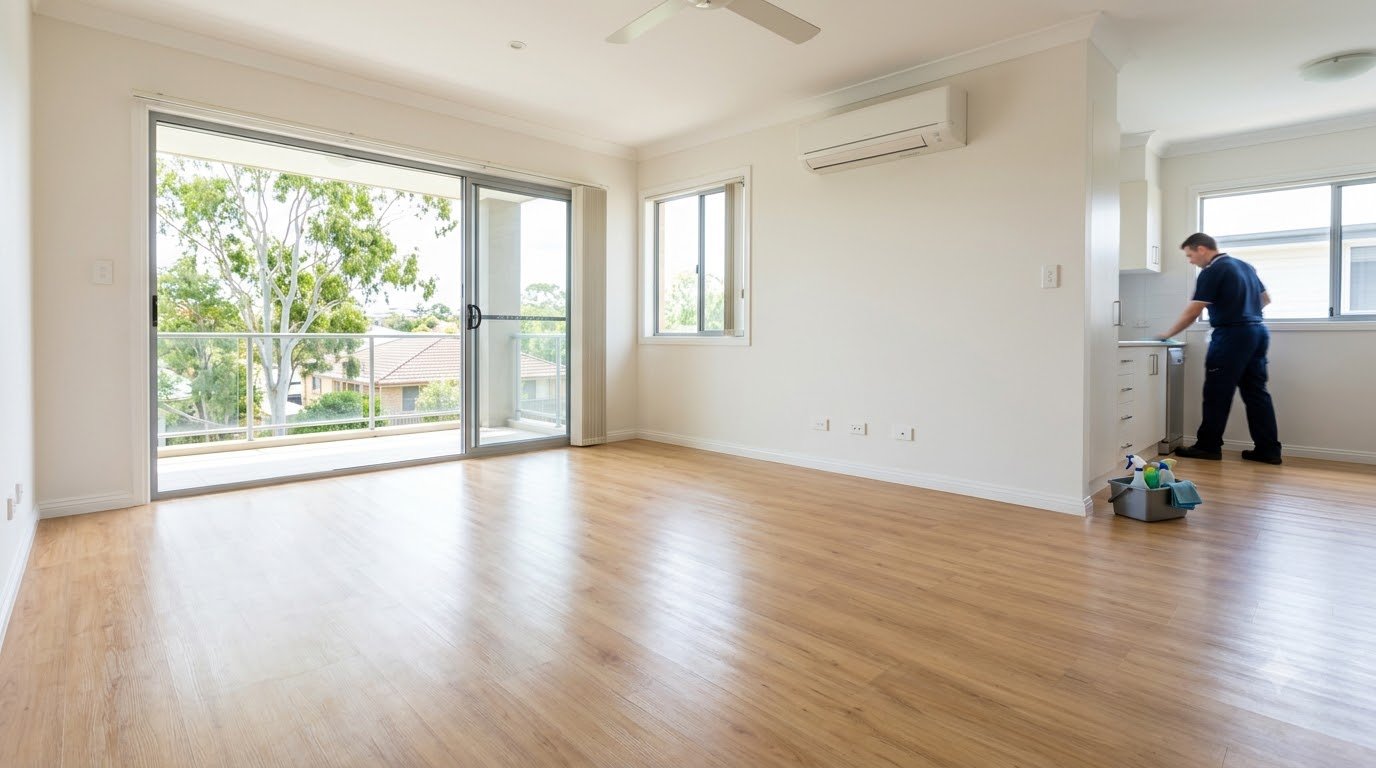
    Featured Image Alt Text: Clean rental apartment prepared for an end-of-lease inspection in Brisbane.

    Suggested image filename: end-of-lease-cleaning-checklist-brisbane.webp
  • Bathroom Cleaning Guide: Tips for a Fresh Bathroom

    Bathroom Cleaning Guide: Tips for a Fresh Bathroom

    Focus Keyword: bathroom cleaning guide

    Secondary Keywords: bathroom cleaning tips, how to clean a bathroom, bathroom cleaning checklist

    Meta Description: Follow this bathroom cleaning guide to clean sinks, toilets, showers, mirrors and floors with a practical step-by-step routine.

    URL Slug: /bathroom-cleaning-guide/

    Bathroom Cleaning Guide: How to Clean Your Bathroom

    A clean bathroom helps make your home more comfortable and easier to maintain. However, soap residue, water spots and everyday moisture can build up on bathroom surfaces.

    This bathroom cleaning guide explains how to clean the main areas of your bathroom using a straightforward routine.

    Step 1: Prepare the Bathroom

    Remove towels, bath mats and personal items from the surfaces you intend to clean.

    Open a window or use suitable ventilation where available. Gather the cleaning products, cloths and tools required for your bathroom.

    Always read product labels and never mix different cleaning chemicals.

    Step 2: Clean the Mirror

    Use a suitable glass cleaner or another product approved for the mirror’s finish.

    Apply the product according to its instructions and wipe with a clean, soft cloth. Avoid allowing excess liquid to collect around mirror edges.

    Step 3: Clean the Sink and Taps

    Remove items from the sink area. Clean the basin, taps and surrounding surfaces with products suitable for their materials.

    Pay attention to soap residue around the drain and tap bases. Rinse and dry where the product instructions recommend it.

    Step 4: Clean the Shower or Bathtub

    Remove loose hair and visible residue from accessible surfaces. Use a bathroom cleaner appropriate for the shower material and follow the product directions.

    For stubborn mineral deposits or soap residue, check that the product is compatible with the surface. Natural stone and certain finishes require special care.

    Rinse surfaces as instructed and allow them to dry properly.

    Step 5: Clean the Toilet

    Use a toilet-cleaning product according to its label. Clean the bowl with a designated toilet brush and wipe the exterior using separate cleaning materials.

    Do not use the same cloth for the toilet and sink. Wash your hands thoroughly after cleaning.

    Step 6: Clean the Bathroom Floor

    Remove loose dirt and hair before cleaning the floor. Mop using a method suitable for the flooring material.

    Be careful around wet areas because slippery floors can create a fall risk. Allow the floor to dry before normal use.

    Bathroom Cleaning Checklist

    • Remove used towels and unnecessary items.

    • Clean the mirror.

    • Wipe the sink and taps.

    • Clean the shower or bathtub.

    • Clean the toilet using separate tools.

    • Remove rubbish.

    • Clean the floor.

    • Replace clean towels and check ventilation.

    How to Keep Your Bathroom Cleaner Between Cleans

    Wipe up water splashes, keep frequently used products organised and provide adequate ventilation to help moisture escape.

    Wash towels and bath mats regularly. Address persistent dampness, leaks or recurring mould rather than simply cleaning the visible surface.

    When Should You Consider Professional Bathroom Cleaning?

    Professional cleaning can help when a bathroom requires additional attention or when you need assistance maintaining several rooms.

    Before booking, ask which tasks are included and whether specialist treatments are available for particular surfaces.

    Read our [Deep Cleaning vs Regular Cleaning] guide to understand the difference between routine maintenance and more detailed cleaning.

    Frequently Asked Questions

    How often should a bathroom be cleaned?

    Clean frequently used surfaces regularly and schedule a more thorough clean according to household use, moisture levels and visible dirt.

    How can I reduce soap residue?

    Regularly remove residue using a suitable product and follow the care instructions for your shower or bathtub surfaces.

    Is ventilation important after cleaning?

    Yes. Adequate ventilation helps moisture escape and supports drying. Persistent dampness may require further investigation.

    Conclusion

    A practical bathroom cleaning routine can make household maintenance easier. Clean each surface with suitable products, use separate tools for the toilet and other areas, and pay attention to moisture and ventilation.

    Suggested internal links: Deep Cleaning Guide, Daily Home Cleaning Checklist, Cleaning Services.

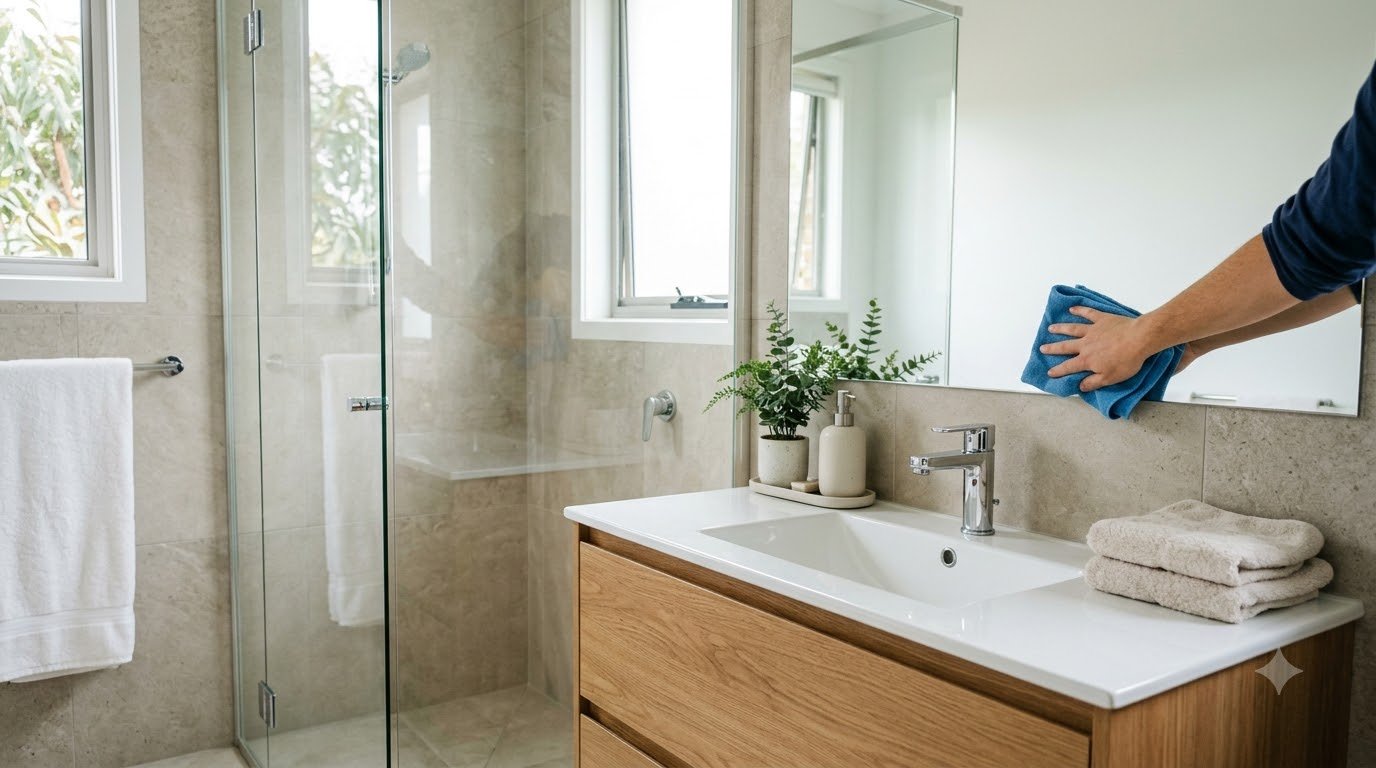
    Featured Image Alt Text: Clean and organised bathroom with spotless sink, mirror and shower.

    Suggested image filename: bathroom-cleaning-guide.webp

  • Kitchen Cleaning Tips: A Step-by-Step Guide

    Kitchen Cleaning Tips: A Step-by-Step Guide

    SEO Title: Kitchen Cleaning Tips: A Step-by-Step Guide

    Focus Keyword: kitchen cleaning tips

    Secondary Keywords: how to clean a kitchen, kitchen cleaning checklist, clean kitchen countertops

    Meta Description: Use these practical kitchen cleaning tips to clean countertops, appliances, sinks and floors while keeping your kitchen organised.

    URL Slug: /kitchen-cleaning-tips/

    Kitchen Cleaning Tips: A Step-by-Step Guide

    The kitchen is one of the most frequently used areas in a home. Cooking, food preparation and everyday activities can leave behind grease, crumbs and spills.

    Following practical kitchen cleaning tips can help you keep this important space tidy, comfortable and ready for your next meal.

    1. Clear the Kitchen Countertops

    Begin by removing unnecessary items from the countertops. Put away food containers, utensils and small appliances that are not being used.

    Wipe the surfaces with a cleaning product suitable for the countertop material. Always follow the manufacturer’s instructions, especially for natural stone and other delicate finishes.

    2. Clean Dishes and the Sink

    Wash dishes or load them into the dishwasher. Remove food scraps from the sink and clean the basin using an appropriate product.

    Rinse away cleaning residue and dry surfaces where necessary. Avoid mixing cleaning chemicals.

    3. Clean the Stovetop

    Wait until the stovetop has cooled completely. Remove loose crumbs and clean spills using a product suitable for your appliance.

    For stubborn grease, follow the manufacturer’s cleaning instructions rather than using abrasive materials that may damage the surface.

    4. Wipe Kitchen Cupboards

    Cupboard fronts can collect fingerprints, dust and cooking residue. Use a soft cloth and a suitable cleaner for the cupboard finish.

    Pay attention to handles and frequently touched areas. Test cleaning products on a small, inconspicuous spot when necessary.

    5. Clean Frequently Touched Surfaces

    Light switches, cupboard handles and appliance controls are frequently touched throughout the day.

    Clean these surfaces according to their material and the manufacturer’s guidance. Use suitable products and follow the stated contact time if disinfecting is required.

    6. Empty the Kitchen Bin

    Check the bin for rubbish and clean the container when needed. Allow it to dry before adding a new liner.

    Keeping food waste contained and removing rubbish regularly can help reduce unpleasant smells.

    7. Sweep and Mop the Floor

    Remove crumbs and loose dirt before mopping. Choose a floor-cleaning method suitable for your flooring material.

    Avoid excessive water on timber, laminate and other surfaces that may be damaged by moisture.

    Your Kitchen Cleaning Checklist

    Use this quick checklist after preparing meals or during your weekly cleaning routine:

    • Clear and wipe countertops.

    • Wash dishes and clean the sink.

    • Wipe the stovetop after it cools.

    • Clean cupboard handles as needed.

    • Check the rubbish bin.

    • Sweep or vacuum the floor.

    • Mop using a suitable cleaning method.

    Common Kitchen Cleaning Mistakes to Avoid

    Avoid using the same dirty cloth across food preparation areas and other surfaces. Do not mix bleach with vinegar, ammonia or other cleaning products.

    Never apply a product without checking whether it is appropriate for the surface. Keep cleaning products away from children and pets, and follow label directions.

    When Is Professional Kitchen Cleaning Useful?

    Professional cleaning may be helpful when grease, accumulated dirt or hard-to-reach areas require additional attention. Confirm whether appliance interiors, cupboards and other detailed tasks are included in the service.

    Explore our [Cleaning Services] page for more information.

    Frequently Asked Questions

    How often should I clean my kitchen?

    Clean food preparation surfaces and deal with spills regularly. Schedule more detailed cleaning according to cooking frequency and household needs.

    What is the best way to clean greasy kitchen surfaces?

    Use a suitable kitchen degreaser according to its label and the surface manufacturer’s instructions. Avoid abrasive tools on delicate finishes.

    Should I clean kitchen floors before or after countertops?

    A practical approach is to clean higher surfaces first, then finish with the floor so falling crumbs and dirt can be removed at the end.

    Conclusion

    A clean kitchen starts with consistent habits. Clear surfaces, clean spills promptly, maintain appliances properly and follow a simple checklist to make kitchen cleaning easier.

    Suggested internal links: Daily Home Cleaning Checklist, Deep Cleaning Guide, Cleaning Services.

    Featured Image Alt Text: Clean kitchen countertops and organised kitchen after cleaning.

    Suggested image filename: kitchen-cleaning-tips.webp

  • Deep Cleaning vs Regular Cleaning: What’s the Difference?

    Deep Cleaning vs Regular Cleaning: What’s the Difference?

    Focus Keyword: deep cleaning vs regular cleaning

    Secondary Keywords: deep house cleaning, regular house cleaning, professional home cleaning

    Meta Description: Discover the difference between deep cleaning and regular cleaning, what each service includes and which option suits your home.

    URL Slug: /deep-cleaning-vs-regular-cleaning/

    Deep Cleaning vs Regular Cleaning: What’s the Difference?

    When choosing a house cleaning service, one common question is whether to book regular cleaning or deep cleaning. Although both help maintain a comfortable home, they focus on different levels of cleaning.

    Understanding deep cleaning vs regular cleaning can help you choose the right option for your household.

    What Is Regular House Cleaning?

    Regular house cleaning focuses on maintaining everyday cleanliness. It is suitable for homes that receive consistent attention and need routine upkeep.

    Common tasks include:

    • Dusting accessible furniture and surfaces.
    • Vacuuming carpets and rugs.
    • Sweeping and mopping suitable floors.
    • Wiping kitchen countertops.
    • Cleaning bathroom sinks, mirrors and toilets.
    • Emptying rubbish bins.
    • Tidying commonly used spaces.

    The exact tasks depend on your requirements and the cleaning service you select.

    What Is Deep Cleaning?

    Deep cleaning focuses on areas that may not receive as much attention during routine cleaning. It can be useful when a home needs a more detailed clean.

    Depending on the service agreement, deep cleaning may include:

    • Detailed cleaning of kitchen surfaces and cupboard fronts.
    • Cleaning bathroom tile surfaces and accessible grout.
    • Removing built-up dirt from selected areas.
    • Cleaning skirting boards and reachable ledges.
    • Detailed attention to corners and hard-to-reach accessible areas.
    • Cleaning accessible areas around selected appliances.

    Some tasks, such as oven interiors, window tracks and appliance interiors, may cost extra or require separate booking. Always confirm the inclusions before arranging a service.

    Key Differences Between Deep Cleaning and Regular Cleaning

    Cleaning Time

    Regular cleaning generally focuses on routine tasks, while deep cleaning may require additional time because more areas receive detailed attention.

    Cleaning Frequency

    Regular cleaning may be arranged weekly, fortnightly or according to household needs. Deep cleaning is often scheduled when a home needs extra attention.

    Level of Detail

    Regular cleaning maintains commonly used areas. Deep cleaning focuses on additional details and areas where dirt can accumulate over time.

    Cost

    Deep cleaning may cost more because it can involve more time and labour. Actual prices depend on the home’s size, condition and requested tasks.

    Which Cleaning Service Should You Choose?

    Choose regular house cleaning if your home is already reasonably well maintained and you want help keeping it tidy.

    Consider deep cleaning if you have not cleaned certain areas thoroughly for a while, are preparing for a special occasion or want to begin a new routine with a more detailed clean.

    For rental properties, you may need an end-of-lease cleaning service with specific inclusions required by your tenancy agreement.

    How to Maintain Results After Deep Cleaning

    You can help maintain a clean home by following a simple routine:

    1. Wipe up kitchen spills promptly.
    2. Clean bathroom surfaces regularly.
    3. Vacuum high-traffic areas as needed.
    4. Keep clutter under control.
    5. Schedule deeper cleaning tasks when necessary.

    Read our [Daily Home Cleaning Checklist] for more practical maintenance tips.

    Frequently Asked Questions

    Is deep cleaning better than regular cleaning?

    Neither option is always better. The right choice depends on the home’s condition and your cleaning goals.

    Does regular cleaning include deep cleaning?

    Not necessarily. Deep-cleaning tasks may be excluded from standard packages, so check the service checklist.

    How often should I book deep cleaning?

    There is no single schedule that suits every household. Consider your home’s condition, activity level and areas requiring extra attention.

    Conclusion

    The main difference between deep cleaning and regular cleaning is the scope and level of detail. Regular cleaning maintains your home, while deep cleaning addresses areas that need additional attention.

    Compare your household needs before choosing a cleaning service.

    Suggested internal links: Daily Home Cleaning Checklist, Cleaning Services, End-of-Lease Cleaning Guide.

    Featured Image Alt Text: Deep cleaning versus regular house cleaning in a modern home.

    Suggested image filename: deep-cleaning-vs-regular-cleaning.webp

  • Daily Home Cleaning Checklist for a Tidy Home

    Daily Home Cleaning Checklist for a Tidy Home

    Focus Keyword: daily home cleaning checklist

    Secondary Keywords: daily house cleaning tips, home cleaning routine, how to keep your home clean

    Meta Description: Follow this daily home cleaning checklist to keep your Brisbane home tidy, fresh and organised with simple cleaning habits.

    URL Slug: /daily-home-cleaning-checklist/

    Daily Home Cleaning Checklist: How to Keep Your Home Clean

    Keeping your home clean does not have to take up your entire day. With a simple daily home cleaning checklist, you can maintain a tidy, comfortable and organised living space without leaving every task until the weekend.

    Whether you live in an apartment or a family home in Brisbane, building a consistent cleaning routine can make everyday household tasks easier to manage.

    Why Is Daily Home Cleaning Important?

    Regular cleaning helps prevent everyday dirt, dust and clutter from building up. It also makes it easier to spot areas that need extra attention.

    A simple routine can help you maintain cleaner kitchen surfaces, fresher bathrooms and more organised living spaces.

    Your Daily Home Cleaning Checklist

    1. Make Your Bed

    Start your morning by making your bed and putting away loose items. This small habit can make your bedroom look more organised.

    2. Clean Kitchen Surfaces

    After preparing meals, wipe kitchen counters and clean up spills. Wash used dishes and keep food properly stored.

    3. Tidy the Living Room

    Put cushions back in place, organise magazines and return everyday items to their proper storage areas.

    4. Wipe Bathroom Surfaces

    Remove water spots from the sink and wipe frequently used surfaces. Allow wet areas to dry properly to help maintain a fresher bathroom.

    5. Sweep or Vacuum Busy Areas

    Entryways, kitchens and living rooms often collect dirt throughout the day. Clean these areas as needed, paying attention to the type of flooring.

    6. Take Out Rubbish

    Empty bins when necessary and replace liners. This helps prevent unpleasant smells and keeps your kitchen more comfortable.

    Create a Weekly Cleaning Routine

    Daily maintenance works best when combined with deeper weekly tasks.

    • Monday: Dust furniture and shelves.
    • Tuesday: Clean bathroom surfaces thoroughly.
    • Wednesday: Vacuum carpets and rugs.
    • Thursday: Clean kitchen appliances and cupboard fronts.
    • Friday: Change bed linen and tidy bedrooms.
    • Weekend: Clean floors and catch up on unfinished tasks.

    Adjust this schedule according to your home size and household needs.

    When Should You Consider Professional House Cleaning?

    Daily maintenance can keep your home organised, but some tasks may require more time and attention. Professional house cleaning may be useful when you have a busy schedule, need a more thorough clean or want help maintaining your home.

    Explore our [Cleaning Services] page to learn more about available cleaning options.

    Frequently Asked Questions

    How long should daily home cleaning take?

    The time depends on your home size, number of occupants and cleaning needs. A short, consistent routine is often easier to maintain than leaving every task until later.

    What should I clean first every day?

    Start with tasks that affect everyday comfort, such as making the bed, cleaning kitchen surfaces and putting away clutter.

    How often should I deep clean my home?

    It depends on household activity, pets, allergies and the condition of your home. Create a schedule that addresses areas needing more attention.

    Conclusion

    A daily home cleaning checklist can make household maintenance more manageable. Start with a few simple habits, follow a realistic weekly schedule and adjust your routine as needed.

    Suggested internal links: Cleaning Services, Deep Cleaning Guide, Kitchen Cleaning Tips.

    Featured Image Alt Text: Daily home cleaning checklist for a tidy and organised home.

    Suggested image filename: daily-home-cleaning-checklist.webp

  • Hello world!

    Welcome to WordPress. This is your first post. Edit or delete it, then start writing!